Neuroscience · Frontier Neuroscience & Human Potential
Can the Adult Human Brain Grow New Neurons? The Evidence So Far
For a century, scientists believed we were born with all the neurons we would ever have. The truth about adult neurogenesis is more interesting — and still hotly debated.
NeuroGenesis Research Alliance Editorial Team · · 6 min read
Accessible overview
Introduction
Your skin renews itself every few weeks. Your blood cells are replaced constantly. But what about your brain? For most of the twentieth century, the answer seemed clear: the adult brain could lose neurons, but it could not make new ones. The great Spanish neuroanatomist Santiago Ramón y Cajal described adult nerve pathways as "fixed, ended, immutable."
That view has been challenged repeatedly over the past six decades. Today, the question of whether adult humans continue to generate new neurons — a process called adult neurogenesis — is one of the most fascinating, and most contested, debates in modern neuroscience. The answer matters for how we think about memory, ageing, depression, and recovery after brain injury.
The Science Behind the Discovery
Neurogenesis simply means the birth of new neurons. It happens on a massive scale before we are born. The question is whether it continues afterwards, and if so, where.
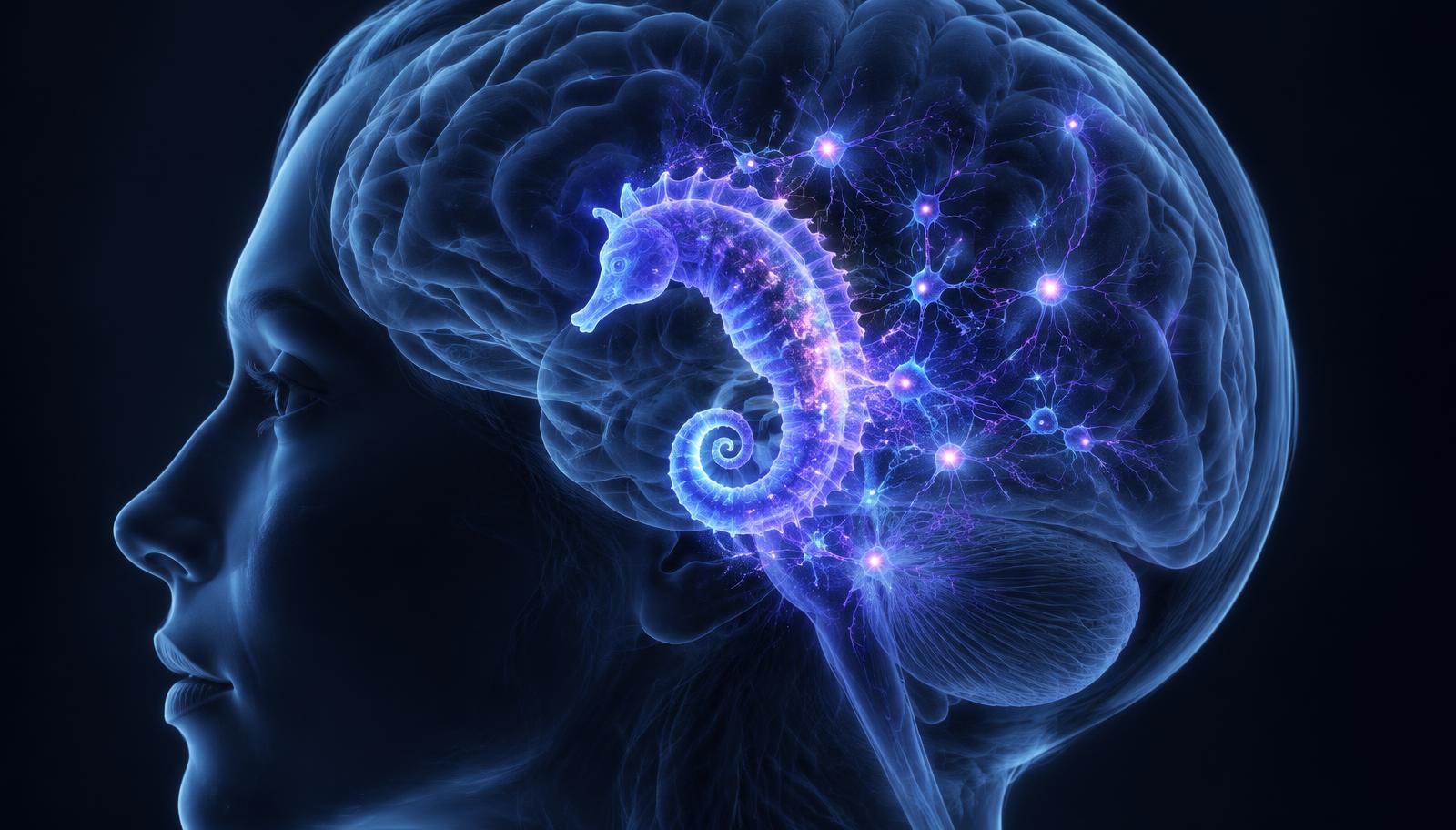
Most attention has focused on the hippocampus, a curved structure deep in the temporal lobe that is essential for forming new memories. Within it lies a thin band of tissue called the dentate gyrus. In rodents and many other mammals, stem cells in this region keep producing young neurons throughout adult life. Those new cells appear to help animals tell apart similar experiences — for example, two places that look alike — a function researchers call pattern separation.
What Researchers Found
Studying this in living humans is extremely difficult, so scientists have relied on clever indirect methods and on post-mortem brain tissue. The results have pointed in different directions.
In 1998, researchers studied tissue from cancer patients who had received a chemical marker that labels dividing cells for diagnostic reasons. After death, labelled new neurons were found in their hippocampus — strong early evidence that adult humans make new neurons. In 2013, another team used a remarkable natural experiment: Cold War nuclear testing released carbon-14 into the atmosphere, which became incorporated into the DNA of cells born at that time. By measuring it, they estimated that roughly 700 new neurons are added to each human hippocampus every day.
Then in 2018 came a striking disagreement. One study of human brain samples across the lifespan reported that the production of young neurons drops sharply in childhood and becomes undetectable in adults. Just weeks later, a different group examining brains from healthy people aged 14 to 79 reported that young neurons were present throughout ageing. In 2019, a third team, using carefully controlled tissue processing, reported thousands of immature neurons in healthy adults, with fewer in people with Alzheimer's disease.
Why It Matters
If the adult human brain keeps producing new neurons, it suggests a built-in capacity for renewal that might one day be supported or harnessed — for example, to slow memory decline in ageing, or to aid recovery after injury or stroke. Animal research also links neurogenesis to responses to exercise, stress and some antidepressant treatments.
It is important to be clear about what this means today. There is currently no established medical treatment that works by boosting new neuron growth in humans, and no product or lifestyle change has been proven to do so in people. These are questions for future research, not present-day promises.
What We Still Don't Know
Why do careful scientists disagree? Much of the debate is about methods. Human brain tissue varies in how long it took to be preserved after death, how it was processed, and the health and medication history of the donor. The proteins used to identify young neurons can fade quickly or appear in other cell types, making them imperfect labels.
Key questions remain open: how many new neurons adults actually make, whether this changes meaningfully with age or disease, and — perhaps most importantly — whether the new cells contribute to human memory and mood in the way they appear to in animals. Answering these will likely require new tools, such as single-cell genetic analysis of human tissue and, eventually, ways to detect neurogenesis in the living brain.
The Bigger Picture
The story of adult neurogenesis is a reminder that the brain is more dynamic than once believed — and that bold scientific questions demand rigorous evidence. It sits squarely within our Frontier Neuroscience & Human Potential pillar, and connects closely to our interest in neural recovery and neuroplasticity.
NeuroGenesis Research Alliance did not conduct or fund the studies described here. We highlight them because they show how science works at its best: competing findings, careful re-examination, and a shared commitment to getting the answer right.
Scientific References
- Eriksson PS, Perfilieva E, Björk-Eriksson T, et al. Neurogenesis in the adult human hippocampus. Nature Medicine. 1998;4(11):1313–1317. doi.org/10.1038/3305
- Spalding KL, Bergmann O, Alkass K, et al. Dynamics of hippocampal neurogenesis in adult humans. Cell. 2013;153(6):1219–1227. doi.org/10.1016/j.cell.2013.05.002
- Sorrells SF, Paredes MF, Cebrian-Silla A, et al. Human hippocampal neurogenesis drops sharply in children to undetectable levels in adults. Nature. 2018;555:377–381. doi.org/10.1038/nature25975
- Boldrini M, Fulmore CA, Tartt AN, et al. Human hippocampal neurogenesis persists throughout aging. Cell Stem Cell. 2018;22(4):589–599. doi.org/10.1016/j.stem.2018.03.015
- Moreno-Jiménez EP, Flor-García M, Terreros-Roncal J, et al. Adult hippocampal neurogenesis is abundant in neurologically healthy subjects and drops sharply in patients with Alzheimer's disease. Nature Medicine. 2019;25:554–560. doi.org/10.1038/s41591-019-0375-9